The Do’s and Don’ts of the Carnivore Diet: A Guide for Success
The Do’s and Don’ts of the Carnivore Diet: A Guide for Success
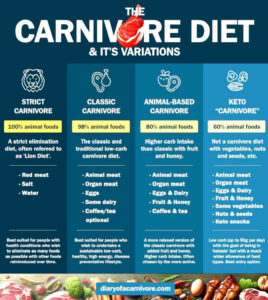 The carnivore diet has surged in popularity among those seeking optimal health, weight loss, and increased energy levels. Rooted in ancestral eating, this diet revolves around consuming only animal-based foods while eliminating plants, processed foods, and carbohydrates. Many followers report improved digestion, mental clarity, and reduced inflammation. However, like any lifestyle change, there are key principles to follow for success.
At Tail to Tip, we believe in honoring the whole animal as nature intended—providing nourishment from nose to tail. A properly executed carnivore diet aligns with this philosophy, ensuring you receive all the nutrients your body needs. In this guide, we’ll break down the essential do’s and don’ts of the carnivore diet so you can thrive.
The carnivore diet has surged in popularity among those seeking optimal health, weight loss, and increased energy levels. Rooted in ancestral eating, this diet revolves around consuming only animal-based foods while eliminating plants, processed foods, and carbohydrates. Many followers report improved digestion, mental clarity, and reduced inflammation. However, like any lifestyle change, there are key principles to follow for success.
At Tail to Tip, we believe in honoring the whole animal as nature intended—providing nourishment from nose to tail. A properly executed carnivore diet aligns with this philosophy, ensuring you receive all the nutrients your body needs. In this guide, we’ll break down the essential do’s and don’ts of the carnivore diet so you can thrive.
The Do’s of the Carnivore Diet
1. Prioritize Nutrient-Dense Animal Foods
Not all animal products are created equal. To get the full spectrum of essential nutrients, prioritize: Fatty cuts of meat (ribeye, brisket, pork belly) for energy Organ meats (liver, heart, kidney) for vital vitamins and minerals Bone broth for collagen, gelatin, and gut support Eggs and dairy (if tolerated) for added nutrition These foods provide essential vitamins like B12, A, D, and K2, which are harder to obtain from muscle meat alone.2. Eat Nose to Tail
Consuming the whole animal isn’t just sustainable—it’s the best way to get the full spectrum of nutrients. Many people on a carnivore diet focus solely on steak and ground beef, but organ meats contain significantly more vitamins and minerals. For example, beef liver is a powerhouse of vitamin A, iron, and B vitamins, making it an essential part of a well-rounded carnivore diet. If you’re not a fan of organ meats, look at the links below for my suggested tallow-based supplements that can help bridge the gap.3. Consume Adequate Fat
Many people transitioning to a carnivore diet make the mistake of eating too much lean protein and not enough fat. Your body will struggle without sufficient fat intake, leading to fatigue, brain fog, and even muscle breakdown. Aim for a fat-to-protein ratio of at least 1:1 by weight or around 70% of calories from fat. This ensures you have enough energy and support for cellular function. Grass-fed beef, lamb, pork belly, and tallow are excellent fat sources.4. Stay Hydrated and Balance Electrolytes
When cutting out carbohydrates, your body excretes more water and electrolytes, leading to potential dehydration and symptoms like headaches, muscle cramps, and fatigue. To avoid this, replenish with: Sodium – Add mineral-rich salt to your meals Potassium – Found in animal sources like salmon and beef Magnesium – Found in shellfish, bone broth, and supplements Drinking enough water and getting adequate electrolytes is key for long-term success.5. Listen to Your Body and Adjust Accordingly
Everyone’s body reacts differently to dietary changes. If you experience digestive discomfort, fatigue, or other symptoms, adjust your fat intake, try different cuts of meat, or incorporate more organ meats. Some people thrive on high-fat carnivore, while others do better with more lean protein. Experiment and find what works best for you. You should experiment with different variations of the carnivore diet for at least 30 to 90 days to determine what works best for your body. Here’s a general timeline:- First 2-4 weeks – Your body adapts, and you may experience fatigue, digestive changes, and cravings. Stick with it and focus on electrolytes.
- Weeks 4-8 – Energy levels stabilize, digestion improves, and you start noticing changes in weight, mental clarity, and overall well-being.
- Weeks 8-12+ – Your body is fully adapted. If you’re still experiencing issues (low energy, bloating, or poor digestion), this is when you should start tweaking fat-to-protein ratios, adding or eliminating dairy, or incorporating more organ meats.